2026-10-24 ·
Preventing Frozen Pipe Bursts In Yonkers During Winter
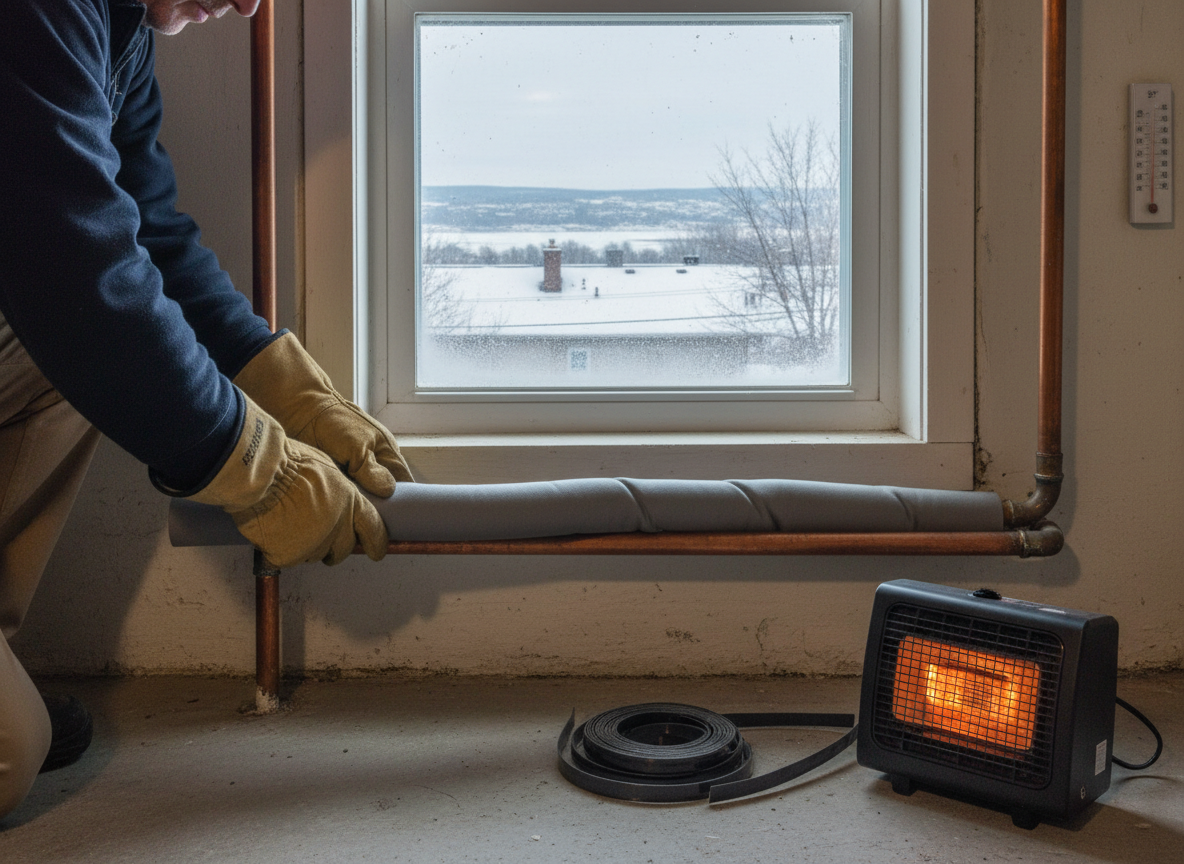
Yonkers homes face pipe bursts when overnight lows drop below 20°F for several nights in a row, especially in houses built before 1960 that still use galvanized steel lines. Keeping interior temperatures above 55°F and adding targeted insulation cuts burst incidents by addressing the exact cold spots created by the Hudson Valley's wind patterns and older construction.
Yonkers Housing Stock and Pipe Vulnerabilities
Many single-family homes in Lincoln Park, Nepperhan, and along Tuckahoe Road retain original galvanized or copper lines installed 60–80 years ago. These pipes run through unheated basements and crawl spaces where temperatures track outdoor readings within a few degrees once the wind off the Hudson picks up. Freeze-thaw cycles common from December through February expand and contract joints, creating pinhole leaks that go unnoticed until a full burst occurs. Newer vinyl siding on 1950s ranches in Crestwood offers less thermal mass than brick, allowing walls to cool faster and exposing horizontal runs in exterior walls.
Insulating Pipes in Unheated Spaces
Focus first on the 20–30 linear feet of pipe most exposed in typical Yonkers basements: the main supply line entering from the street and any horizontal runs under first-floor bathrooms. Use closed-cell foam sleeves rated for ½-inch and ¾-inch copper, overlapping seams by at least 2 inches and securing with foil tape. In homes with stone foundations common near the Saw Mill River Parkway, add rigid foam board against exterior walls to create a 1-inch air gap before installing pipe insulation. This approach handles the rapid temperature drops that occur when Arctic air masses move through Westchester County.
Maintaining Heat During Cold Snaps
Set the thermostat no lower than 58°F when leaving for work or travel, and open cabinet doors under sinks to allow warm air to reach pipes. In two-story homes on the steeper slopes of Yonkers, heat rises and leaves lower levels 8–12 degrees cooler, so run a small electric heater on low in the basement during forecasts calling for single-digit lows. Residents in Mount Vernon and Bronxville borders often share the same municipal water pressure, so a single frozen service line can affect multiple properties; consistent interior heat prevents the chain reaction that starts at the curb valve.
Early Signs and Immediate Response
Watch for reduced water flow at faucets on exterior walls and frost on visible pipes near the water heater. If flow stops suddenly, shut off the main valve at the meter rather than forcing thawed sections that can split. For homes in Tuckahoe and Hastings-on-Hudson where service lines cross under driveways, call a 24/7 response team at 465 Tuckahoe Road Yonkers, NY 10710 before attempting DIY thawing with space heaters. Quick mitigation limits secondary damage to finished basements that are common in post-war splits throughout the city.
If a burst does occur, water damage mitigation stops further saturation of subfloors and joists. Homeowners comparing repair options can review what influences water damage repair costs in Yonkers to understand how pipe location and duration of flow affect drying times and material replacement.